
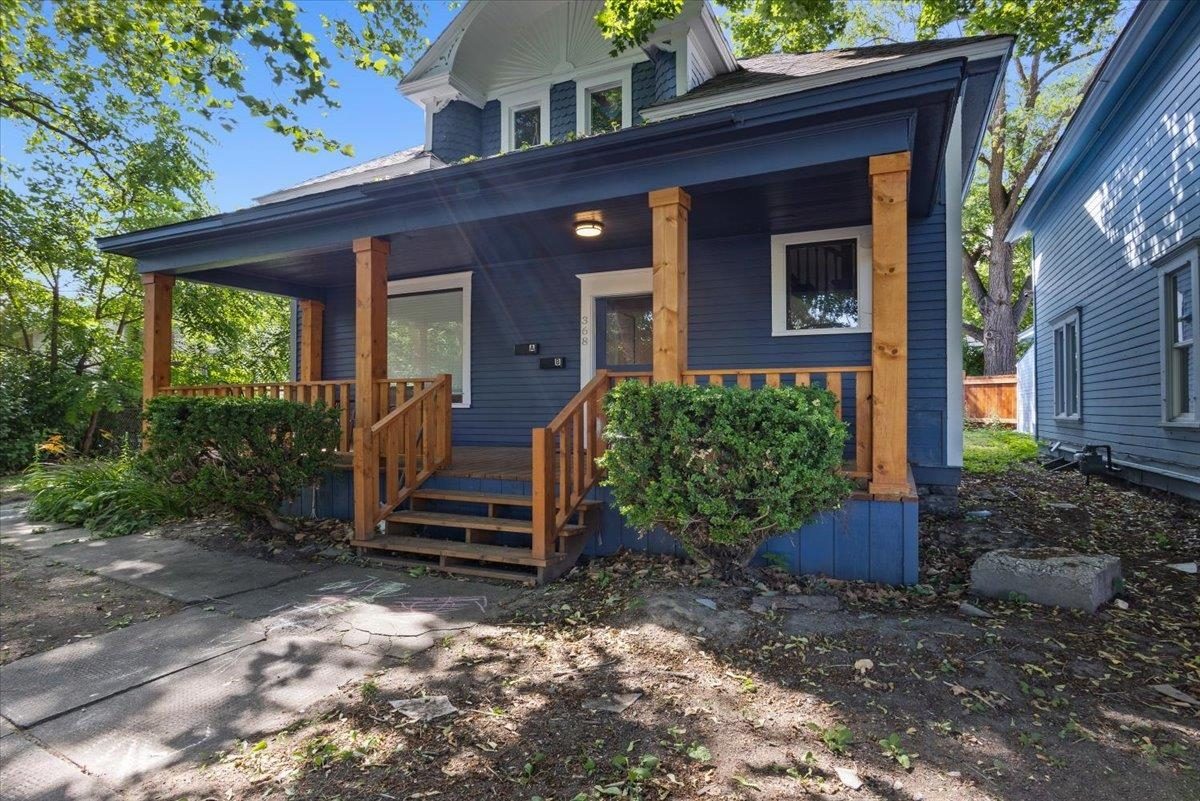
Rentals, multi-unit properties, and long-term holds in two markets with different rules.
How we analyze cash flow
We build the numbers the way a lender and a landlord both would, using conservative inputs:
- Rents from comparable units that actually leased, not asking rents on listings that have sat.
- Vacancy, because nothing is occupied 365 days a year.
- Operating costs: taxes, insurance, utilities you'll carry, management whether or not you self-manage, and turnover.
- Maintenance and capital reserves. Roofs, furnaces, and water heaters have known lifespans. A property that pencils only when nothing breaks doesn't pencil.
- Debt service at the rate and terms your lender quotes today.
From those we look at net operating income, the capitalization rate, cash-on-cash return, and your break-even occupancy. Then we stress-test the deal: what happens if rates rise, rents flatten, or the unit sits for two months.
How we value the property itself
Small residential income property gets valued two ways, and the lower one usually rules. The sales comparison approach asks what similar buildings traded for. The income approach asks what the cash flow is worth at the market's going rate of return. Kolby spent years as a residential appraiser doing exactly this work, which matters most on properties without clean comparable sales.
We also separate value that exists today from value you'd be creating: below-market rents, a unit that could be added, deferred maintenance dragging a property down. A plan to raise rents isn't the same as rents.
Spokane and North Idaho are different markets
Washington and Idaho differ on landlord-tenant rules, property tax structure, and what short-term rentals are allowed where. Kootenai and Bonner County jurisdictions each handle vacation rentals their own way, and the rules change. We'll tell you what we know and point you to the county when you need an authoritative answer.
We're not financial advisors or CPAs. We bring the property analysis; your accountant handles the tax picture.